
Migrate off no-code to an architecture you own, without stopping the operation
We move entire operations off Bubble to proprietary architecture, in phases, with the business running. We have built on no-code since 2022: we know exactly where it stops scaling and what to do when that day arrives.
The signs that it is time
The platform bill became a budget line
Consumption grows faster than the operation and every usage spike turns into a plan upgrade. It is the first sign that the platform's pricing model no longer fits your volume.
The system slows down at peak hours
Slowness that arrives with the busy hours is a platform capacity limit, not a defect in your process. Buying more capacity postpones the problem and raises the bill.
New features got slow to ship
Every change fights the editor's limitations and years of accumulated logic. When the cost of changing grows month after month, the platform has become the roadmap's bottleneck.
You inherited a system nobody knows how to maintain
The agency vanished, the freelancer left, and the app running the operation became a black box. That is what rescue means: take over, audit and stabilize before deciding the future.
Four stages, operation always running
The same stages as every Yowpi project, applied to a platform transition.
01
Diagnostic
We map the current system: what transfers directly (data, logic, integrations), what deserves a redesign and what stays behind. The result is a migration map, not a generic proposal.
02
Architecture
We design the target platform and the path to it, in phases that deliver value from the first one, while the operation keeps running on the current system.
03
Implementation
We migrate flow by flow. The new system runs in parallel with the old one, every phase has a defined cutover date, and the data is audited as it crosses.
04
Evolution
After the switch, the system keeps evolving at your pace. The architecture and the code are yours, and the cost of change is what justified the migration.
Systems leaving Bubble with the operation running
UniTrust is migrating its platform to Next.js on Azure, with Yowpi on the transition team. Colo Saúde is migrating to Next.js, React Native and Supabase with the same team that rescued the system, after cutting Bubble workload consumption by 60%.
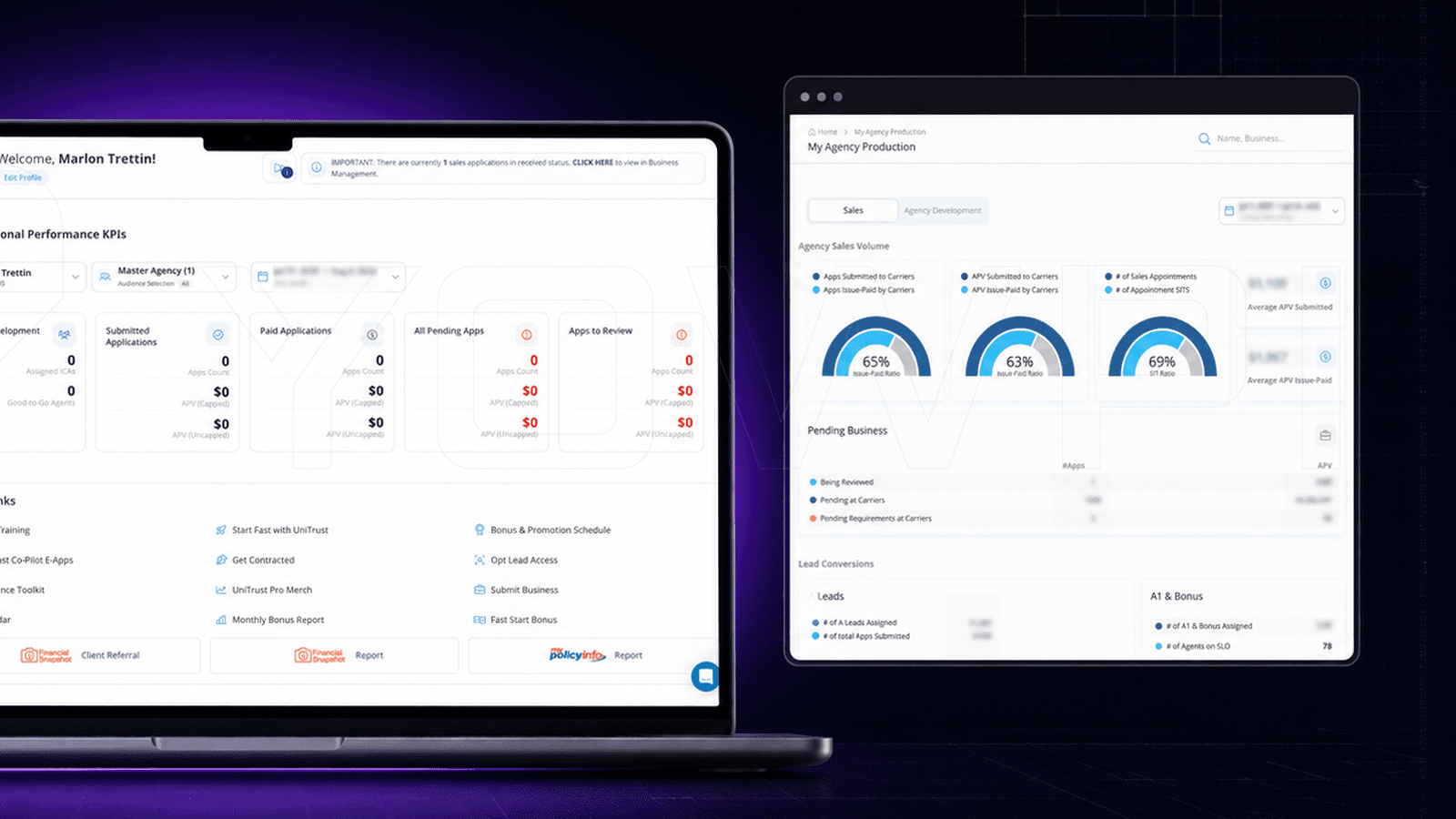
Management system for a US insurance IMO
How UniTrust has scaled policy, agent, and commission management since 2022: from a system launched in two weeks to the migration to Next.js on Azure.
Before: Founders breaking away from their previous IMO, with two weeks to get a system live before the operation stalled.
After: An ecosystem covering the agent's full lifecycle: licensing, leads, scheduling, policies, and recruiting.
Result: A unified operation for over 8,000 users, now migrating to Next.js on Azure with Yowpi on the team.
8k+
Active users on the platform
2 weeks
From zero to a live system in 2022
2026
Migration to Next.js on Azure underway
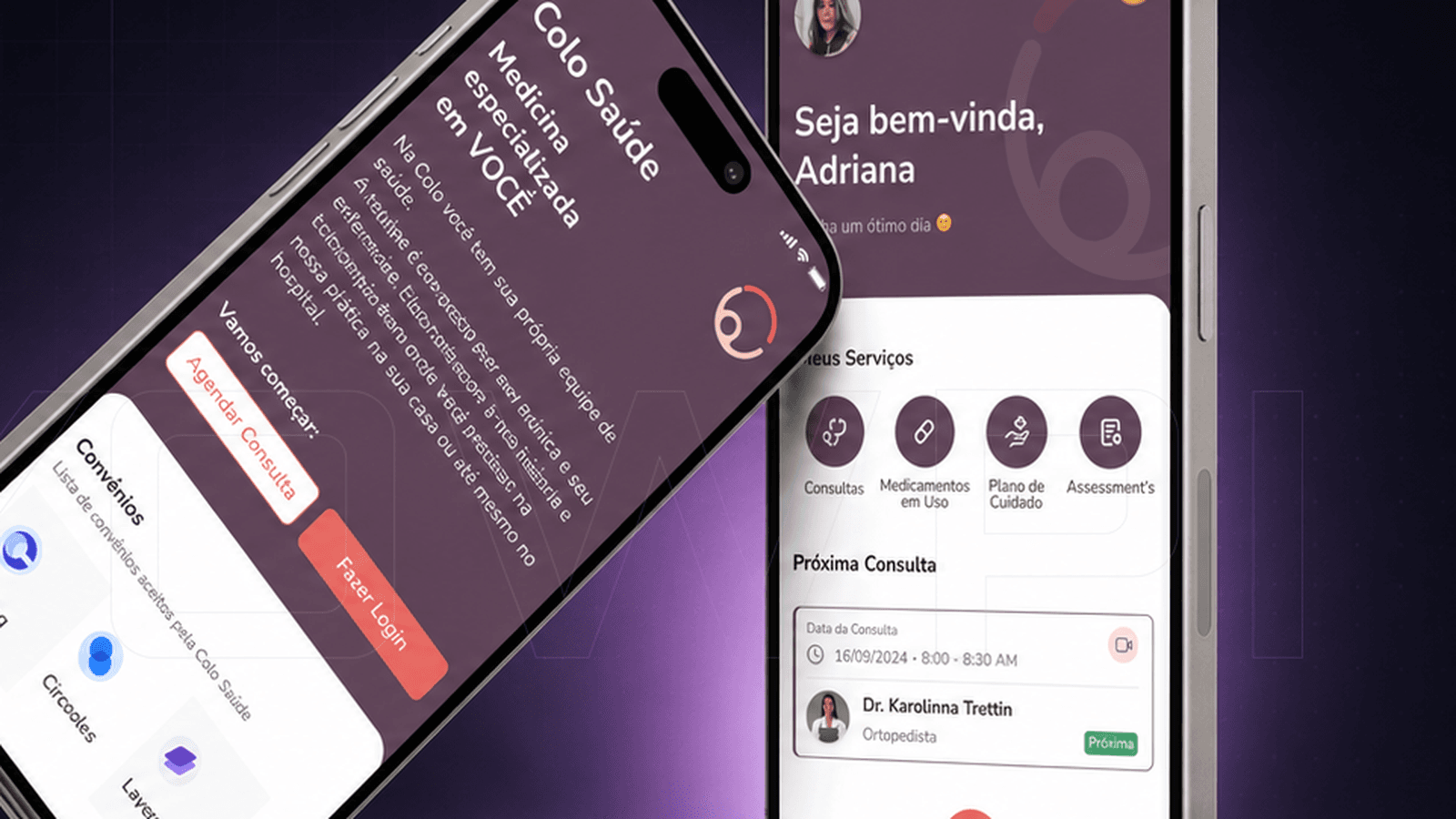
Digital health platform: from rescue to full migration
From an inherited platform to a complete ecosystem: 60% lower Bubble consumption, 10/10 security, a native app, and a migration to Next.js and Supabase.
Before: A platform inherited from a previous vendor, with high Bubble consumption and a 7/10 security score.
After: An optimized operation with 60% fewer WUs, 10/10 security, a refreshed design, and a native app built by Yowpi.
Result: An ongoing partnership: the platform is now migrating to Next.js, React Native, and Supabase with the same team.
-60%
Bubble WU consumption after optimization
10/10
Security score in our audit (was 7/10)
Native
Mobile app 100% built by Yowpi (iOS and Android)
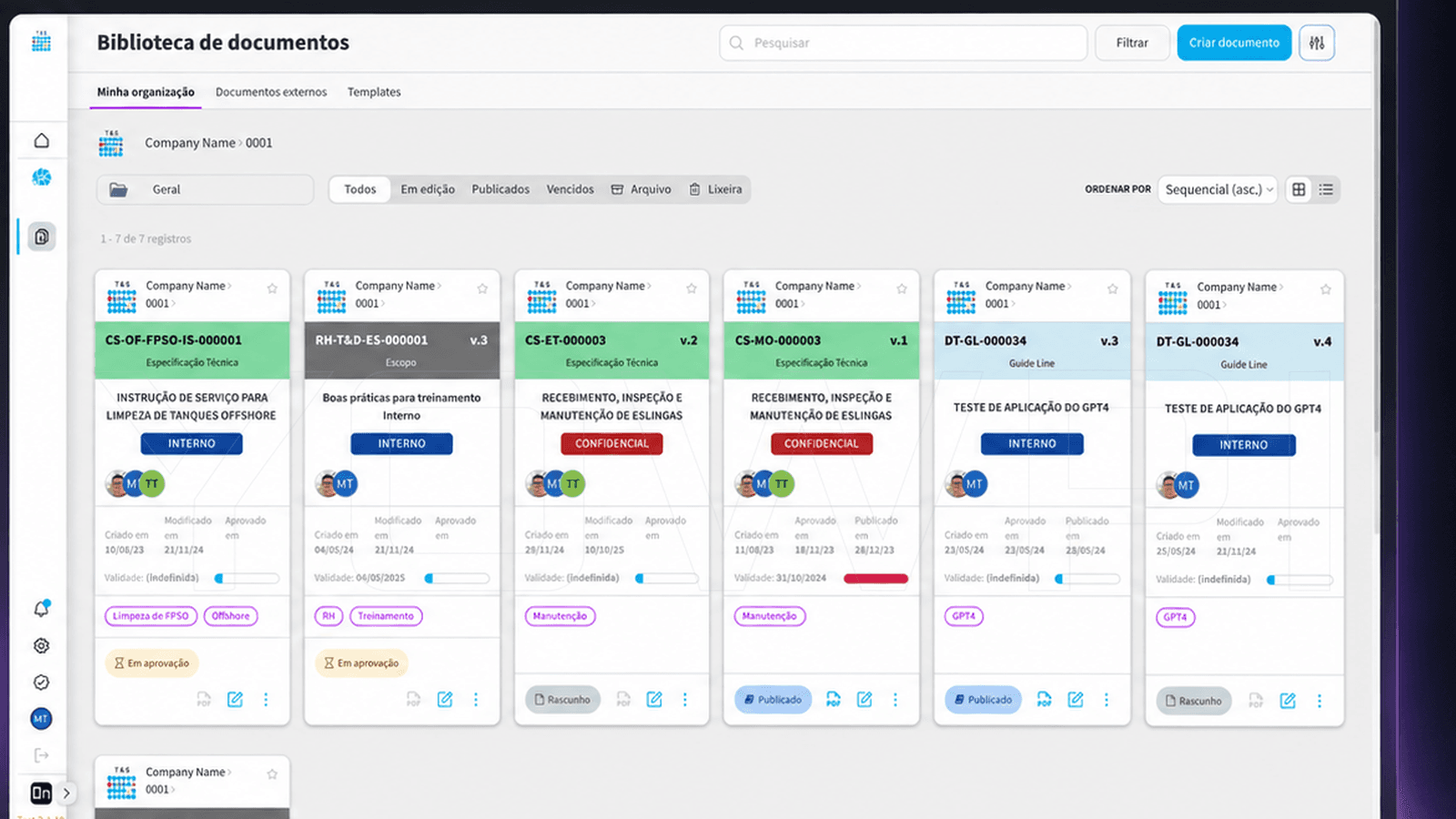
Document management system based on process landscape
How Repap On turned process consulting into product: document management with the nStandarDocs module and a next generation born in Next.js and Supabase.
Before: Control of internal manuals and policies scattered across emails, network folders, and physical files without version control.
After: Structured management based on corporate process landscapes with strict version control.
Result: From a single module to a platform: the new training module is being born in Next.js and Supabase.
Secure
Document sharing
100%
Responsive
ISO Ready
Compliance and auditing
We wrote about this decision in detail in the guide migrating from Bubble to custom code
The method we use on our own Bubble migrations is open source and runs on your machine: UnBubble
What we say before you sign
Migration has a cost and a trade. These are the ones we declare in every proposal.
Phased takes longer than big bang
Rewriting everything at once is faster on paper and it is where migrations break: months without a delivery and a switch that becomes a single bet. In phases, the schedule is measured in flows live.
Not everything transfers
Part of the accumulated logic comes out better redesigned than copied. The diagnostic separates what migrates as is from what deserves a rebuild, and that decision is made with you before any code.
Change starts going through deploys
The visual editor gave you speed to change anything at any time. With your own architecture, change becomes versioned code: less immediate for the cosmetic tweak, and it is what withstands scale, audits and team turnover.
What everyone asks
- Does the operation stop during the migration?
- No. The new system runs in parallel with the current one and each flow has its own cutover date. At UniTrust, more than 8,000 users keep operating on the platform every day while the migration to Next.js on Azure happens.
- How long does a migration take?
- It depends on what the diagnostic finds: number of flows, integrations and data quality. What the phased design guarantees is value from the first delivery, without waiting for the end of the project to see results.
- What if we want to stay on the platform a while longer?
- Rescue is a service too. We can audit, cut consumption and prepare the exit for when it makes sense: on a Bubble app in production, we reduced workload consumption by 60% and the monthly plan came down with it.
Start with the map, not the contract
The Operational Architecture Diagnostic is a 30-minute conversation with Yowpi's founder about your system: what transfers, what gets redesigned and where the migration starts. We take on up to 6 projects in parallel and work US East hours, with the technical owner in every meeting.
Talk directly with the architect who will run the project. No salespeople.